How 3D Dental Technology Is Transforming Your Smile: Same-Day Results, Perfect Fit, Better Care
No more weeks of waiting for your dental procedure. Modern 3D dental technology now enables dentists to create custom crowns, bridges, and aligners in-house during a single appointment. The dental 3D printing market is growing rapidly and is expected to reach $9.7 billion by 2027. Why? Because this technology delivers what every patient wants: faster treatment, better results, and fewer appointments.
What Makes 3D Dentistry Different
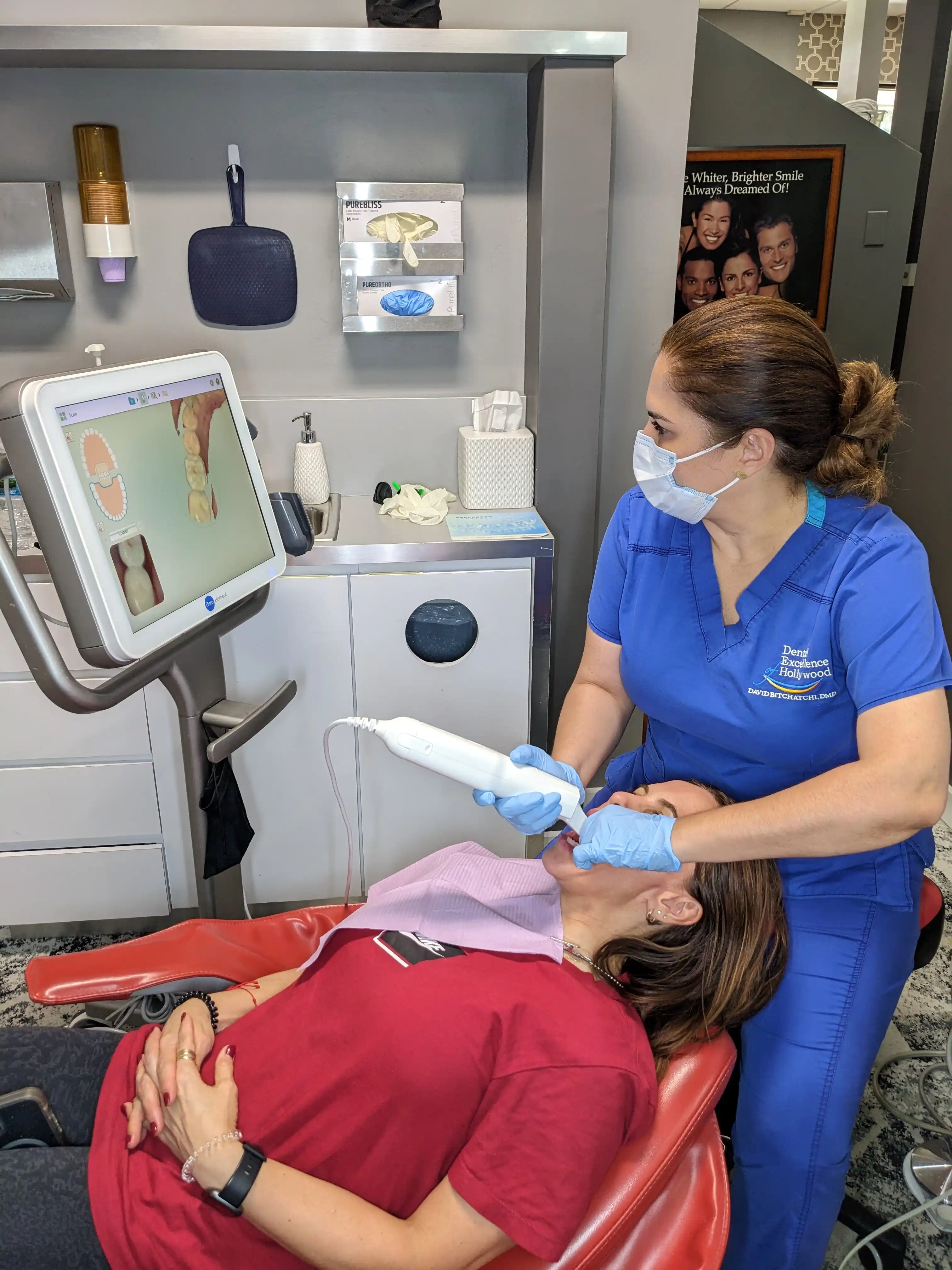
When you visit a dental clinic equipped with 3D technology, your experience starts with a quick digital scan—no goopy impressions needed. This scan captures every detail of your teeth and gums in minutes. The data flows directly into the computer-aided design software, generating a precise blueprint required to proceed with the process. The chairside 3D printer then builds and completes your custom dental restorations or orthodontic appliances on the same day.
This shift toward chairside production of restorations and surgical guides isn't just about convenience. It's about giving you dental work that fits better, lasts longer, and looks more natural—all while reducing your time in the dental chair and the number of visits you need to make. The technology also opens the door to emerging treatments such as bioprinting, in which living cells could potentially regenerate damaged tissue or even create new teeth in the future.
Core Innovations of 3D Technology in Modern Dentistry
Digital Scans Replace Messy Impressions
Those uncomfortable impression trays filled with putty molds are becoming a thing of the past. Nowadays, modern intraoral scanners use light to create detailed 3D images of your teeth in just a few minutes.
These digital impressions are more accurate than traditional methods and far more comfortable. Plus, they can be stored permanently in your dental records, making future treatments even easier.
Personalized Dental Prosthetics and Restorations
Every oral structure is unique, and 3D technology enables the creation of dental work perfectly customized to yours. Using the digital scan, your dentist can design restorations that match your bite, your tooth shape, and even the exact shade of your natural teeth.
Here's what can be created with 3D dental printing:
- Crowns and bridges that fit the first time perfectly
- Complete and partial dentures with superior comfort
- Clear aligners for orthodontic treatment (like Invisalign)
- Surgical guides for precise dental implant placement
- Night guards and retainers that are custom-fit to your mouth
- Temporary restorations while permanent work is being made
The materials used in 3D printing, including advanced polymers, metals, and ceramics, are carefully chosen for their strength, durability, and natural appearance. Your dentist can create dental work that not only functions like your natural teeth but looks like them, too.
Computer-Aided Design (CAD) and Manufacturing (CAM)
CAD/CAM technology is the bridge between your digital scan and your finished dental work. Think of it as the "brain" of modern dentistry. With CAD software, your dentist can design your restoration on a computer screen, adjusting every detail—the margins, the contours, how it fits with your bite—before anything is made.
Computer-aided manufacturing executes these designs through either subtractive methods (milling) or additive methods (printing). The integration of 3D printing and CAD/CAM technology enhances treatment efficiency by reducing manual labor and human error.
Because everything is digital, your dental records are stored electronically, making future treatments faster and more accurate. Need a replacement crown in five years? Your dentist has your exact specifications on file.
How 3D Technology Benefits Your Dental Health
Dental Implants: More Precise, Less Invasive
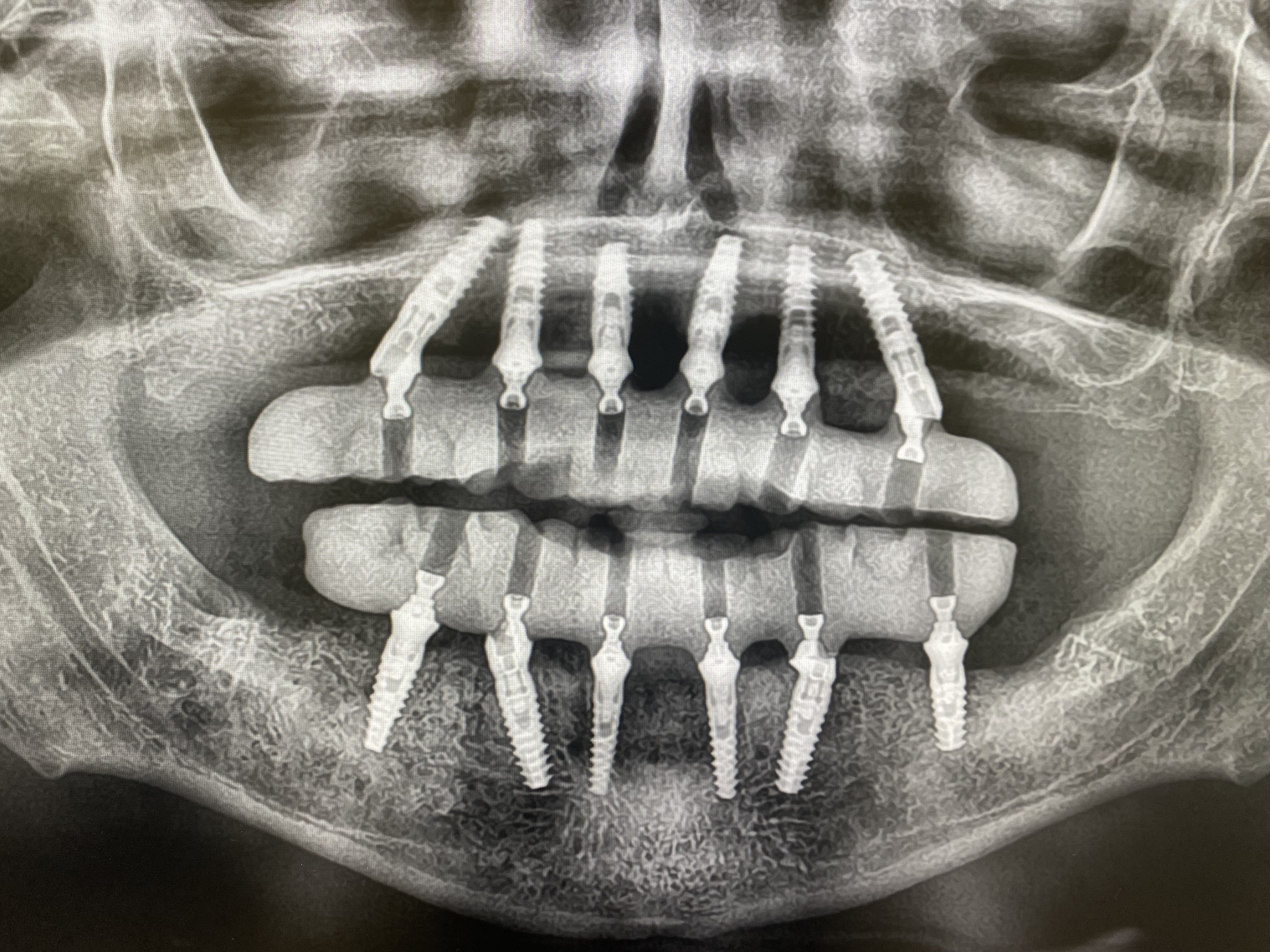
Dental implants benefit significantly from 3D-printed surgical guides that position implants at precise angles and depths. These guides are created from CT scans of your jaw, ensuring implant placement matches your bone structure exactly. You receive faster procedures with reduced surgical time and fewer complications.
The technology allows your dentist to plan the entire implant procedure virtually before touching your mouth. 3D printing technology has become more accessible to clinicians, enabling them to deliver more accurate treatments. Surgical guides eliminate guesswork during placement, improving long-term implant stability and reducing healing time.
This level of planning means:
- 30-50% less time in surgery
- More accurate implant placement
- Less discomfort during and after the procedure
- Faster healing and recovery
Dental Treatment Planning You Can See and Understand
One of the best things about 3D dental technology is that it helps you better understand your treatment. Your dentist can create physical models of your teeth from your digital scans, giving you a tangible preview of treatment outcomes before any procedure begins. Traditional dental treatments have limitations in providing patient-specific care, but digital technology, including 3D printing, opens possibilities to overcome these constraints.
Custom dental devices like night guards, retainers, and dentures can be designed and printed to fit your mouth perfectly. No more multiple appointments for adjustments—the fit is right from the start.
Furthermore, personalized dental care extends to diagnostic models that help your dentist identify issues invisible during standard examinations. These physical replicas can be sterilized and used during treatment planning discussions, giving you a clearer understanding of proposed procedures.
Faster, More Comfortable Dental Restorative Work
Need a crown? With traditional methods, you'd need at least two appointments weeks apart, plus a temporary crown in between. With 3D printing technology, you can often get your permanent crown in a single visit.
The same goes for:
- Bridges to replace missing teeth
- Veneers to improve your smile's appearance
- Onlays and inlays for tooth repairs
- Full or partial dentures
Because everything is made from precise digital scans, your restorations fit better and require fewer adjustments. They're also made from high-quality materials that match the strength and appearance of your natural teeth, so they last longer, too.
Better Orthodontic Treatment
Orthodontics has been transformed by 3D printing. Instead of metal brackets and wires, many patients can now use clear aligners that are custom-printed for each stage of their treatment.
Your orthodontist designs your entire treatment plan digitally, showing you how your teeth will move at each stage. Then, each set of aligners is printed specifically for you, ensuring predictable results in less time than traditional braces often require.
What's Next for 3D Dental Technology
The future of dentistry is even more exciting. Researchers are working on:
- 4D printing that creates materials that adapt to conditions in your mouth
- Bioprinting that could one day regenerate damaged teeth using your own cells
- Artificial intelligence that predicts dental problems before they develop, helping you prevent issues rather than just treating them
Imagine dental treatments that could actually help your teeth repair themselves, or AI systems that create personalized prevention plans based on your unique oral health patterns. That's where dentistry is headed.
Is 3D Dental Technology Right for You
Most patients benefit from 3D dental technology, but it's especially helpful if you:
- Want to minimize the number of dental appointments
- Need dental work, but have a busy schedule
- Are anxious about dental procedures and prefer shorter visits
- Want the most accurate, comfortable dental restorations possible
- Need dental implants or complex restorative work
The investment in 3D technology benefits you in several ways. While treatment costs may vary, the precision reduces the need for adjustments or remakes, saving you time and potentially money in the long run. Procedures are faster, more comfortable, and deliver better-fitting results.
Frequently Asked Questions
How long does it take to get a 3D-printed crown?
In many cases, you can get a permanent crown in a single appointment—often in about 2-3 hours. Your dentist takes a digital scan, designs your crown, and prints it while you wait. No temporary crown needed.
Is 3D dental technology safe?
Yes. The materials used in 3D printing for dentistry are thoroughly tested and biocompatible, meaning they're safe for your mouth. Digital scans use light, not radiation, and are completely non-invasive.
Does 3D printing work for all dental procedures?
3D technology is used for the most common dental procedures, including crowns, bridges, dentures, aligners, surgical guides, and models. Your dentist can tell you if it's right for your specific situation.
How is 3D imaging changing the way dentists plan and execute treatments?
3D imaging provides your dentist with comprehensive views of your dental structures, including bone density, nerve locations, and tooth positioning. This detailed visualization enables more accurate diagnosis and treatment planning than traditional two-dimensional X-rays.
How accurate is 3D printing compared to traditional dental work?
3D printing is typically more accurate than traditional methods. Digital scans capture details down to 20 microns (0.02 millimeters), enabling restorations to fit precisely. This means better comfort and fewer adjustments.
How is 3D scanning technology enhancing the customization of dental care?
Digital intraoral scanners capture detailed 3D images of your teeth and gums without the need for uncomfortable impression materials. These scans serve as blueprints for creating precise digital models that can be easily adjusted to guarantee an optimal fit. The scanning process is faster and more comfortable than traditional impression techniques. You avoid the gagging sensation and taste associated with impression putty while your dentist obtains more accurate data.
Experience the Future of Dentistry
3D dental technology represents a fundamental shift in how we approach dental care. The combination of digital scanning, computer-aided design, and 3D printing means:
- Less time in the dental chair
- Fewer appointments to fit into your schedule
- More comfortable treatment from start to finish
- Better-fitting, longer-lasting results
- A clearer understanding of your dental health
If you're looking for dental care that combines advanced technology with personalized attention, ask your dentist about 3D dental solutions. The future of dentistry is here, and it's designed specifically for you.
Ready to experience modern dentistry at its finest? Schedule a consultation with Dr. Bitchatchi at Smiles of Hollywood to learn how 3D technology can transform your dental care and give you the confident, healthy smile you deserve.
Related Blogs

Creating beautiful, healthy smiles one patient at a time.