
All-on-X Implants: A Life-Changing Solution for Full-Mouth Restoration
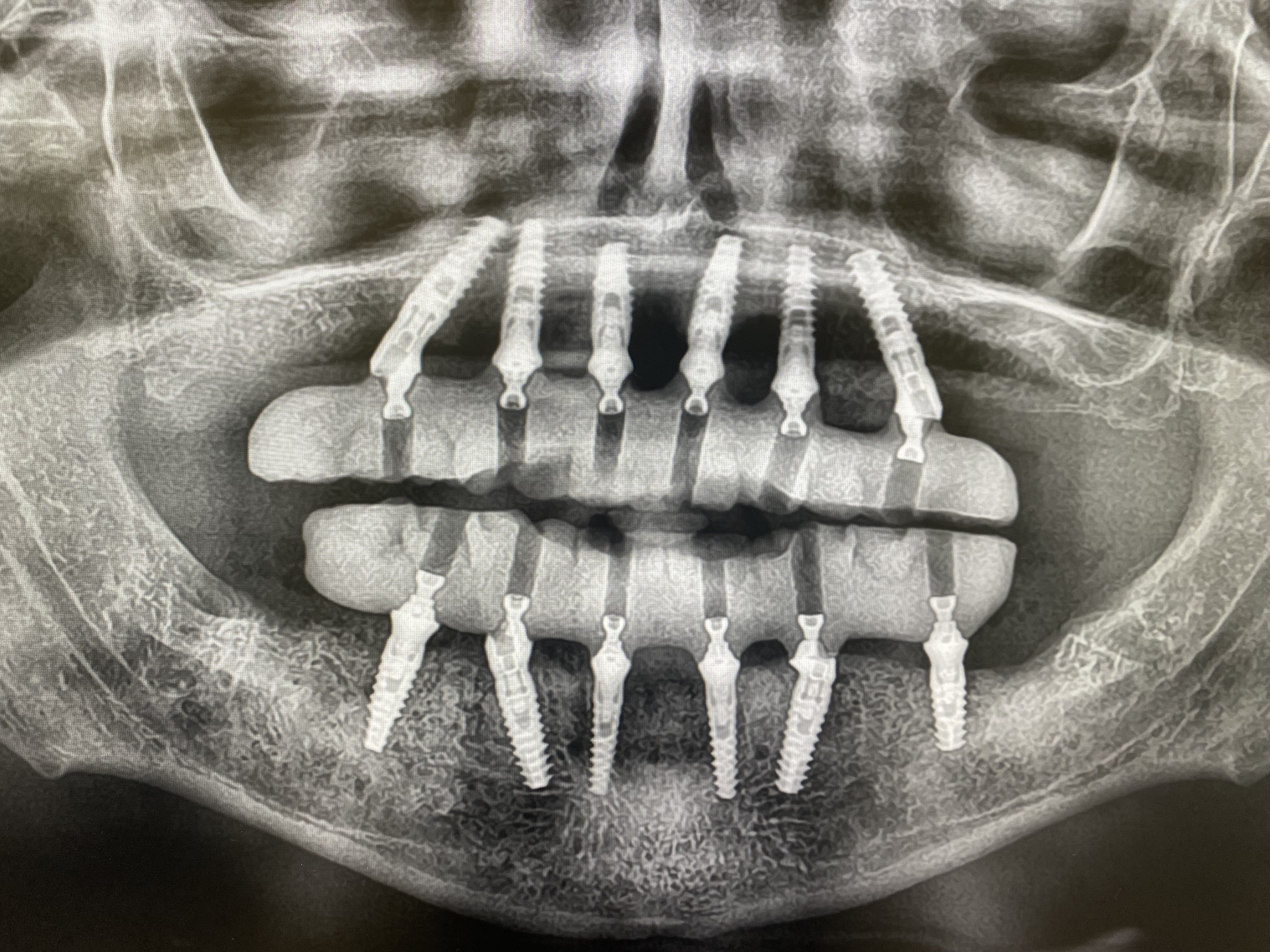
Missing most or all of your teeth can impact every aspect of daily life, from eating and speaking to smiling with confidence. All-on-X dental implants offer a predictable, efficient path to full-mouth restoration, using just four to six strategically placed implants to support an entire arch of replacement teeth. This approach provides a permanent alternative to traditional dentures without requiring an individual implant for each missing tooth.
The treatment has gained popularity because it addresses multiple challenges at once. You can often receive temporary teeth on the same day as your implant surgery, and the angled placement of implants can eliminate the need for bone grafting in many cases where bone loss has occurred. The fixed prosthetic arch stays in place permanently, allowing you to eat a normal diet and maintain your smile without the inconvenience of removable appliances.
Understanding how All-on-X works, what the procedure involves, and whether you're a suitable candidate helps you make an informed decision about your dental health. This guide covers the essential aspects of full-arch restoration using the All-on-X technique, from initial consultation through long-term maintenance.
All-on-X Implants Explained
All-on-X dental implants use strategically placed implants to support a complete arch of replacement teeth, typically requiring four to six anchor points per jaw. This approach differs from traditional methods by eliminating the need for individual implants per tooth and often allows patients to leave with functional teeth on the same day as surgery.
What Are All-on-X Implants?
All-on-X is a fixed, full-arch solution that replaces an entire upper or lower set of teeth using a minimal number of dental implants. Instead of replacing each missing tooth with its own implant, this technique uses a prosthetic bridge permanently attached to four to six strategically positioned implants.
The implants used in this procedure are typically longer and wider than standard implants. This design allows them to make better contact with available bone, which proves particularly beneficial if you have experienced bone loss. The implants can be placed at angles to maximize stability and allow immediate load-bearing capacity.
The All-on-X concept provides you with a non-removable solution that functions like natural teeth. You can eat, brush, and go about daily activities without removing your prosthetic. The procedure typically involves detailed imaging and 3D modeling beforehand to ensure precise placement according to your jaw's unique anatomy.
How All-on-X Differs from Traditional Dental Implants
Traditional dental implants generally require one implant per missing tooth, which makes the process more invasive and time-consuming. If you need to replace an entire arch of teeth using conventional methods, you might need 8 to 10 or more individual implants per jaw.
All-on-X dental implants reduce this number significantly to just four to six implants per arch. This approach decreases surgical time, reduces recovery periods, and lowers overall costs. Traditional implants often require bone grafting procedures when bone density is insufficient, which adds months to the treatment timeline.
With All-on-X, the angled placement of posterior implants often eliminates the need for bone grafting. You can frequently receive temporary teeth on the same day as implant placement, whereas traditional implants typically require a healing period of several months before attaching the final restoration.
The All-on-X Procedure and Patient Journey
The All-on-X treatment follows a structured process that begins with comprehensive digital planning and progresses through surgical placement, a healing phase, and delivery of your final restoration. Each phase builds on precision and careful coordination between diagnostic imaging, surgical execution, and prosthetic fabrication.
Initial Consultation and Digital Treatment Planning
Your first appointment involves a thorough examination of your oral health, jawbone density, and treatment goals. Your dentist will capture a CBCT scan to evaluate bone volume, nerve pathways, and sinus cavities in three dimensions.
This digital treatment planning phase integrates CBCT imaging with intraoral scans to create a virtual blueprint of your case. The combination of 3D imaging and digital workflow allows your treatment team to position implants precisely before surgery begins. Your dentist will determine whether you need four, six, or more implants based on your bone density and functional requirements.
Key diagnostic tools include:
- CBCT scans for bone assessment and anatomical mapping
- Intraoral scans for prosthetic design and occlusal planning
- Digital smile design for aesthetic evaluation
- CAD/CAM technology for surgical guide fabrication
The treatment plan maps out exact implant positions, angulation, and depth while accounting for your final prosthesis design. This prosthetically-driven approach ensures implants align with your future teeth rather than being placed arbitrarily.
Implant Placement Surgery and Immediate Loading
Implant placement surgery typically uses guided surgery protocols with a surgical guide fabricated from your digital plan. You'll receive either local anesthesia or IV sedation depending on your anxiety level and the complexity of your case.
If you have remaining teeth, your dentist will perform extractions before placing implants. The surgical guide ensures each titanium implant is positioned at the planned angle and depth. Angled implant placement in posterior regions often allows you to avoid bone grafting by maximizing contact with existing bone.
The surgical process involves:
- Flap reflection to expose the jawbone
- Bone reduction if needed for proper prosthetic space
- Guided implant placement using the surgical guide
- Abutment connection to each implant
- Attachment of your temporary prosthesis
Most patients receive temporary prosthetic teeth the same day, allowing you to leave with a functional smile. This immediate loading approach works when implants achieve sufficient primary stability in your jawbone. Your temporary teeth are designed for aesthetics and basic function while your implants heal.
Healing Period and Osseointegration
Osseointegration is the biological process where your titanium implants fuse with surrounding bone tissue. This healing period typically lasts three to six months, though the timeline varies based on your bone quality and overall health.
During this phase, your temporary prosthesis protects the implants while allowing normal speech and eating with some restrictions. You'll need to avoid hard or sticky foods that could compromise implant stability. Your dentist will schedule follow-up appointments to monitor healing and make adjustments to your temporary teeth as needed.
Healing considerations include:
- Upper arch: 4-6 months for complete osseointegration
- Lower arch: 3-4 months due to denser bone
- Bone density factors: Lower density requires longer healing times
- Smoking cessation: Critical for successful integration
Your gums will also mature during this period, which affects the fit of your final prosthesis. The temporary prosthetic teeth serve as a functional prototype that helps your treatment team refine the design of your permanent restoration.
Final Prosthesis and Long-Term Results
After confirming complete osseointegration through clinical examination and imaging, your dentist will begin fabricating your final restoration. This permanent prosthesis is crafted from either high-strength acrylic or zirconia, depending on your aesthetic preferences and functional demands.
Your final prosthesis attaches to the abutments with screws, making it retrievable for maintenance while remaining fixed in your mouth. The restoration replaces an entire arch of teeth using the strategically placed implants as support. Zirconia prostheses offer superior strength and stain resistance compared to acrylic options.
Long-term success requires consistent maintenance including regular dental cleanings, daily home care with specialized brushes, and periodic examinations. Your dental team will monitor implant health, bone levels, and prosthetic integrity during recall appointments. Most patients experience stable results for many years when following recommended care protocols.
Frequently Asked Questions
Patients considering this treatment option typically want to understand the procedural timeline, success metrics, maintenance requirements, candidacy criteria, treatment scope, and potential complications before moving forward with full-arch restoration.
What is the typical procedure for getting All-on-X dental implants?
Your All-on-X treatment begins with an initial consultation where your dentist conducts a comprehensive assessment of your oral health and bone structure. During this visit, you'll undergo imaging tests such as X-rays or CT scans to evaluate your jawbone and determine the optimal placement for your implants.
The pre-surgical preparation phase involves discussing anesthesia options and completing any necessary preliminary dental work. Your dental team will provide instructions about medications and foods to avoid before surgery to minimize complications.
The surgical procedure itself involves placing four or more dental implants strategically into your jawbone under local anesthesia, sedation, or general anesthesia depending on your needs. These implants serve as anchors for your prosthetic teeth and are positioned at specific angles to maximize stability and bone contact.
One of the most significant advantages is that you can receive temporary dentures on the same day as your surgery. This means you leave the dental office with a functional set of teeth immediately after the procedure.
Your post-operative care includes following guidelines for pain management, maintaining proper oral hygiene, and attending scheduled follow-up visits. These appointments allow your dental team to monitor healing and ensure your implants are integrating properly with your jawbone.
How does the success rate of All-on-X dental implants compare to traditional dentures?
All-on-X implants offer superior stability compared to traditional removable dentures because they're permanently anchored to your jawbone. While traditional dentures can slip or move when you're eating or speaking, All-on-X implants remain securely in place.
The fixed nature of All-on-X implants means you can eat a wider variety of foods without worry. Traditional dentures often limit your food choices and can cause discomfort during meals.
All-on-X implants help preserve your jawbone by providing stimulation similar to natural teeth. Traditional dentures don't prevent bone loss, which can lead to changes in your facial structure over time and require denture adjustments or replacements.
With proper care and regular dental visits, All-on-X implants can last for decades. Traditional dentures typically need replacement every five to seven years due to wear and changes in your mouth structure.
What maintenance and aftercare are required for All-on-X dental implants?
You need to brush your All-on-X implants twice daily using a soft-bristled toothbrush and fluoride toothpaste. This prevents plaque buildup and maintains the health of your gums and implants.
Using an interdental brush or dental floss designed specifically for implant maintenance helps you clean areas that standard brushing might miss. These tools are essential for reaching between the prosthetic teeth and around the implant sites.
You should schedule dental check-ups every six months or as recommended by your dentist. During these visits, your dental professional will examine your implants, check for any issues, and perform professional cleanings to remove tartar buildup.
Maintaining a balanced diet rich in calcium and vitamin D supports the bone health that's crucial for implant stability. You should avoid extremely hard or abrasive foods that could damage your implants or surrounding gum tissue.
Smoking can significantly impede healing and increase your risk of implant failure. Quitting smoking improves your chances of long-term success with your All-on-X implants.
What criteria must a patient meet to be a candidate for All-on-X dental implants?
Your overall health and medical history play a critical role in determining your candidacy for All-on-X implants. Certain conditions such as uncontrolled diabetes or autoimmune disorders can impair healing and affect treatment outcomes.
You need sufficient jawbone density to support the implants, though All-on-X technology is specifically designed to work even with some bone loss. The implants can be placed at angles to utilize available bone more effectively than traditional implant methods.
Your dentist will review any medications you're currently taking because some can negatively affect healing and implant integration. You'll need to discuss these medications during your consultation to ensure they won't interfere with the procedure.
You must be committed to maintaining good oral hygiene habits after the procedure. The long-term success of your All-on-X implants depends significantly on your dedication to proper care and regular dental visits.
Being a non-smoker or willing to quit smoking improves your candidacy. Smoking restricts blood flow and can compromise the healing process necessary for successful implant integration.
Related Blogs


Creating beautiful, healthy smiles one patient at a time.