10 Foods Secretly Damaging Your Teeth (And How to Protect Your Smile)
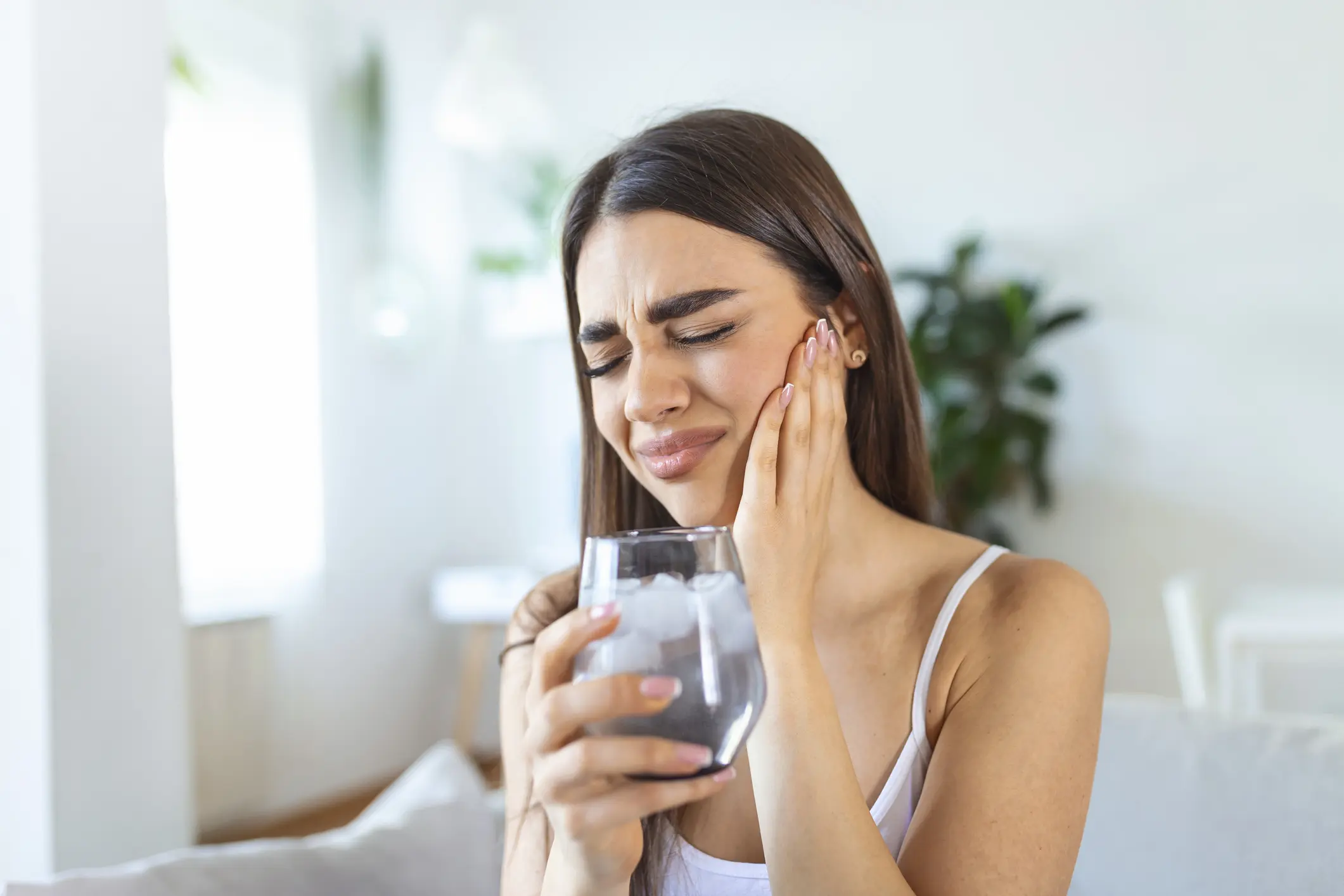
You brush twice daily and floss regularly, yet still deal with cavities, sensitivity, or enamel erosion. The problem often isn't your hygiene routine. It's everyday foods that slowly damage your teeth. Many common foods contain high levels of sugar, acids, or sticky substances that wear down enamel and increase the risk of decay.
This guide reveals the specific foods causing the most damage and provides practical strategies to protect your teeth.
1. Sugary Candies and Sticky Sweets
Sticky candies like caramel and gummies cling to tooth surfaces, creating prolonged exposure to sugar that feeds harmful bacteria. The bacteria convert sugar into acid, which attacks enamel and causes cavities. Hard candies dissolve slowly, bathing teeth in sugar while risking chips or cracks.
Protection tip: Rinse with water immediately after eating candy. Brush within 30 minutes.
2. Soft Drinks, Sports Drinks, and Energy Drinks
Sodas contain high levels of sugar and acid that simultaneously attack enamel. One can contains up to 10 teaspoons of sugar. Sports and energy drinks are equally damaging despite their health marketing, and they contain similar levels of acid and sugar. Dark sodas also stain teeth.
Protection tip: Use a straw to minimize tooth contact. Rinse with water after drinking.
3. Citrus Fruits and Fruit Juices
Citrus fruits provide vitamin C but are highly acidic, which can erode enamel when consumed frequently. Fruit juices concentrate this acidity while adding extra sugar. Erosion occurs gradually—you may not notice damage until the teeth become temperature-sensitive.
Protection tip: Wait 30 minutes after consuming citrus before brushing. Drink water to wash away residual acid.
4. Dried Fruits and Chewy Snacks
Dried fruits concentrate natural sugars and develop a sticky texture during drying, clinging to teeth like candy. Pieces get trapped between teeth, providing a continuous source of sugar for bacteria. Their sugar content often equals or exceeds processed sweets.
Protection tip: Eat dried fruits with meals when saliva production is higher to wash away sugar.
5. Potato Chips and Starchy Snacks
Potato chips contain starch that saliva quickly converts to sugar, feeding cavity-causing bacteria. Small particles lodge in molars and stick to surfaces. Crackers, pretzels, white bread, and fries behave similarly, forming a paste-like consistency that adheres to teeth.
Protection tip: Floss after eating. Drink water to clear debris before it settles.
6. Coffee and Tea
Coffee and tea contain tannins that can stain enamel. Coffee's acidity weakens enamel and increases the risk of decay. Adding sugar compounds the problem. Both beverages reduce saliva production, which is crucial for washing away particles and neutralizing acids.
Protection tip: Drink through a straw. Rinse with water after consumption.
7. Alcoholic Beverages
Alcohol causes dehydration and reduces saliva production. Frequent consumption leads to dry mouth, where bacteria thrive unchecked, increasing the risk of cavities and gum disease. Sweet cocktails combine alcohol's drying effects with high sugar. Wine contains enamel-eroding acids.
Protection tip: Drink water between alcoholic beverages to maintain hydration and saliva flow.
8. Pickles and Vinegar-Based Foods
Pickles expose teeth to high acidity from vinegar, which can weaken tooth structure over time. Salad dressings, coleslaw, and certain marinades pose similar risks, softening enamel and making it vulnerable to decay.
Protection tip: Rinse with water after eating. Wait 30 minutes before brushing.
9. White Bread and Refined Carbohydrates
White bread becomes sticky when chewed and converts to sugar almost immediately. Refined carbs break down into simple sugars, feeding harmful bacteria. Bagels and pastries create a paste-like consistency that adheres to teeth and gets trapped.
Protection tip: Choose whole-grain alternatives. Drink water to wash away sticky residue.
10. Ice (Yes, Chewing Ice!)
While ice contains no sugar or acid, chewing it can crack enamel, chip teeth, damage fillings, and irritate soft tissue. The extreme hardness and cold temperature create perfect conditions for dental damage.
Protection tip: Let ice melt instead of chewing. If you can't break the habit, talk to your dentist.
How to Protect Your Teeth from Food Damage
Practice Consistent Oral Hygiene
Use fluoride toothpaste twice daily for at least two minutes to strengthen enamel and prevent decay. Wait 30 minutes after consuming acidic foods before brushing to avoid damaging softened enamel.
Floss after eating sticky or fibrous foods that lodge between teeth. This prevents bacteria from feeding on trapped particles for extended periods. Schedule dental checkups every six months for professional cleanings and early detection of enamel erosion, cavities, and gum disease.
Choose Tooth-Friendly Alternatives
Replace damaging foods with options that support dental health. Calcium-rich foods like cheese, yogurt, and milk strengthen enamel and neutralize acids. Eating cheese after acidic meals provides protective effects.
Fibrous vegetables such as carrots, celery, and leafy greens act as natural tooth cleaners. These foods stimulate saliva production and physically scrub tooth surfaces while delivering essential nutrients.
Nuts like almonds offer protein and calcium without sugars. They promote saliva flow and provide a satisfying crunch without sticking to teeth. Choose water or unsweetened drinks instead of sodas, juice, or alcohol.
Stay Hydrated and Stimulate Saliva Production
Saliva neutralizes acids, washes away bacteria, and delivers minerals that repair enamel. Drink water throughout the day to maintain saliva production and prevent dry mouth. Chewing sugar-free gum after meals when brushing isn't possible. Choose gum with xylitol, which actively inhibits bacterial growth.
Certain medications and conditions can cause dry mouth, significantly increasing the risk of cavities. If you experience persistent dry mouth, discuss solutions with your dentist. They may recommend saliva substitutes, prescription medications, or specific products designed to maintain moisture. Avoiding alcohol-based mouthwashes also helps, as they can further dry oral tissues and reduce protective saliva levels.
Frequently Asked Questions
What foods are worst for your teeth?
Sugary candies, sodas, citrus fruits, dried fruits, and sticky snacks cause the most damage. They combine high sugar or acid content with textures that cling to teeth, promoting decay and enamel erosion. These foods create an environment where harmful bacteria thrive.
Can you eat these foods occasionally without damaging your teeth?
Yes. Occasional consumption is fine if you rinse with water afterward and maintain good oral hygiene. Eat them with meals rather than as snacks to benefit from increased saliva production, which helps neutralize acids naturally.
How long should you wait to brush after eating acidic foods?
Wait at least 30 minutes. Acidic foods temporarily soften enamel, and brushing immediately can scrub acid deeper into the teeth, causing more damage. Rinsing with water right away is safe and helpful.
Do sugar-free versions of these foods still damage teeth?
Sugar-free options eliminate the risk of cavities from sugar but may still contain acids that erode enamel. Citrus flavors and carbonation remain acidic regardless of sugar content, so they can still weaken teeth over time.
What's the best drink for your teeth?
Water is the best choice. It rinses away food particles, neutralizes acids, and maintains saliva production without introducing sugars or acids that damage enamel. Milk is another excellent option for its calcium content.
How can you tell if food has damaged your tooth enamel?
Signs include increased sensitivity to hot, cold, or sweet foods, visible discoloration or transparency at tooth edges, and rough or uneven tooth surfaces. See your dentist immediately if you notice these symptoms
Take Control of Your Dental Health Today
You don't have to eliminate all these foods from your diet. You just need to be strategic about when and how you consume them. Small changes in your eating habits can make a significant difference in protecting your teeth from damage while still enjoying the foods you love.
At Smiles of Hollywood, Dr. David Bitchatchi helps patients understand how their dietary choices affect their oral health and develop personalized strategies to protect their teeth. With over 28 years of experience in cosmetic and restorative dentistry, Dr. Bitchatchi combines advanced dental care with patient education, ensuring you have the knowledge and tools to maintain a healthy, beautiful smile for life.
Dr. Bitchatchi's comprehensive exams can identify early signs of enamel erosion or decay and provide treatments to strengthen your teeth. From preventive care to restorative solutions, his practice focuses on helping you achieve optimal oral health.
Ready to protect your smile? Schedule a consultation with Dr. Bitchatchi. Discover how the proper dental care and dietary choices can keep your teeth healthy and strong for years to come.
Related Blogs

Creating beautiful, healthy smiles one patient at a time.